When should kids start piano lessons?
It is never too early or too late to learn to play piano. The earlier a child starts, the more they will take advantage of the benefits of learning music — brain development, creativity, motor skills, self-confidence, and culture.
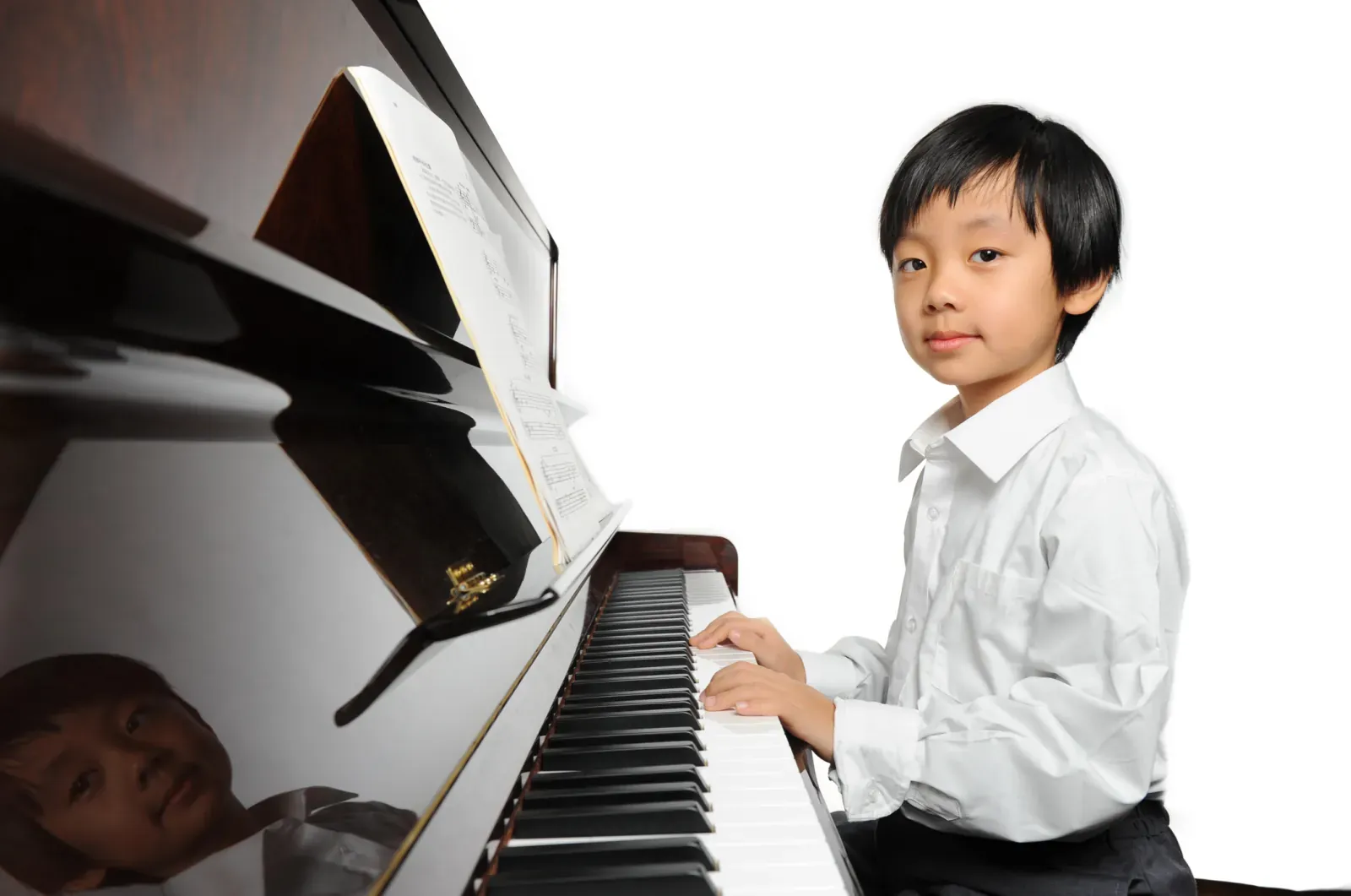
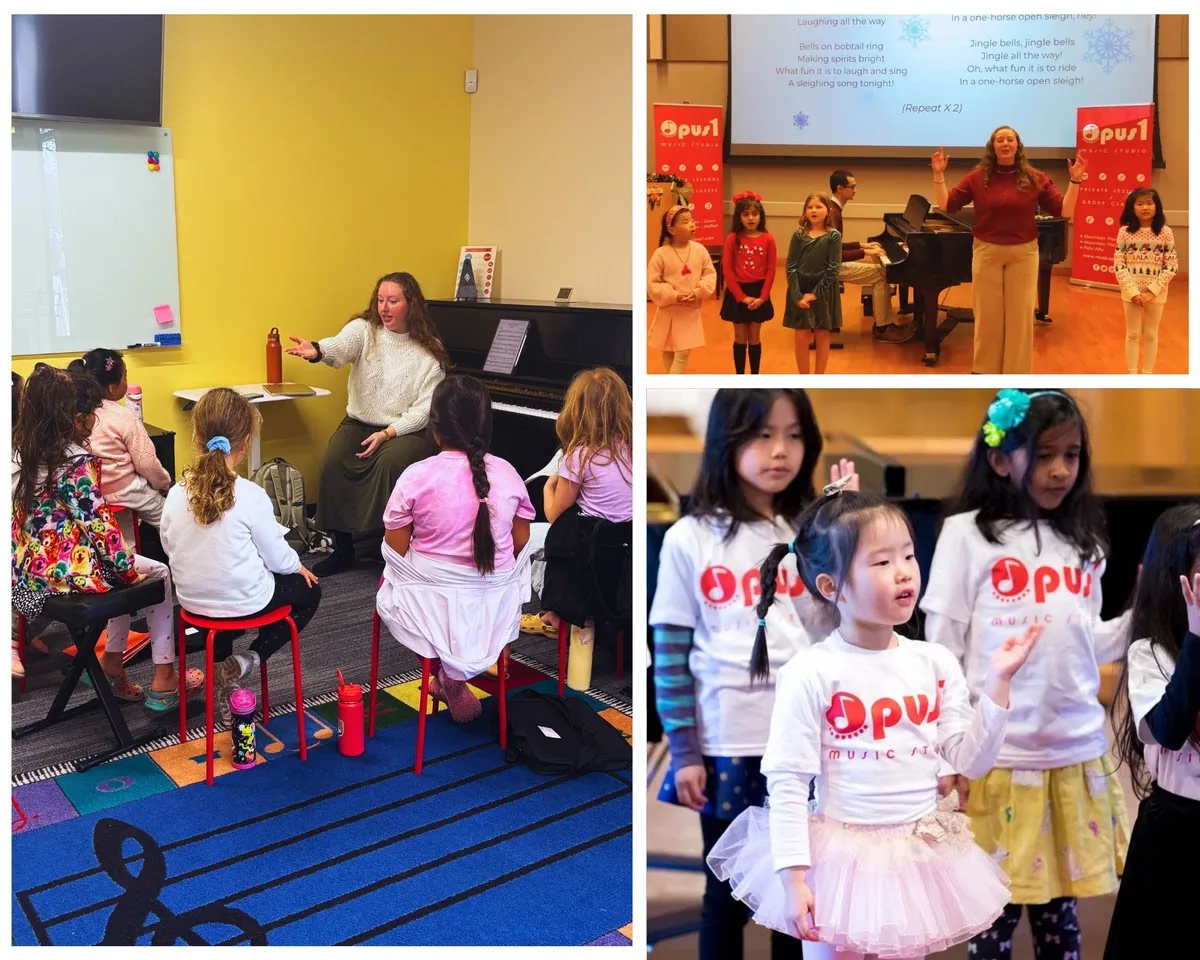
Babies under 1 or 2 years old can start with an age-appropriate introduction in music group classes (Music Together, for example). Toddlers between 3 and 6 can attend piano group classes (Music For Young Children, My Little Mozarts, My First Piano, My First Piano Adventure). Children age 4 or 5 are usually ready to start private lessons, where they benefit from the most one-on-one attention, motivation, and progress faster.
How long does it take to learn piano?
If your goal is to become a professional classical music performer, it takes around 10 to 15 years of focused study with professional teachers, ideally starting at a young age. Daily practice and weekly lessons are required.
Most people learn music for their own enjoyment — to develop culture, sensitivity, self-confidence, and motor skills. Within a year or two, a young student can play enjoyable pieces (both classical and pop). Within 3 to 5 years, great results can be achieved, including a remarkable repertoire of classical and pop pieces that one can really enjoy playing for life.
Most children who study music seriously will take lessons for about 10 years, from age 5 or 6 until college. With daily practice, weekly lessons, regular recital performances, and optionally exams such as ABRSM, CM, or RCM (see our exam preparation program), dedicated students play advanced pieces from the classical repertoire very well and build strong foundations to play their instrument for life.
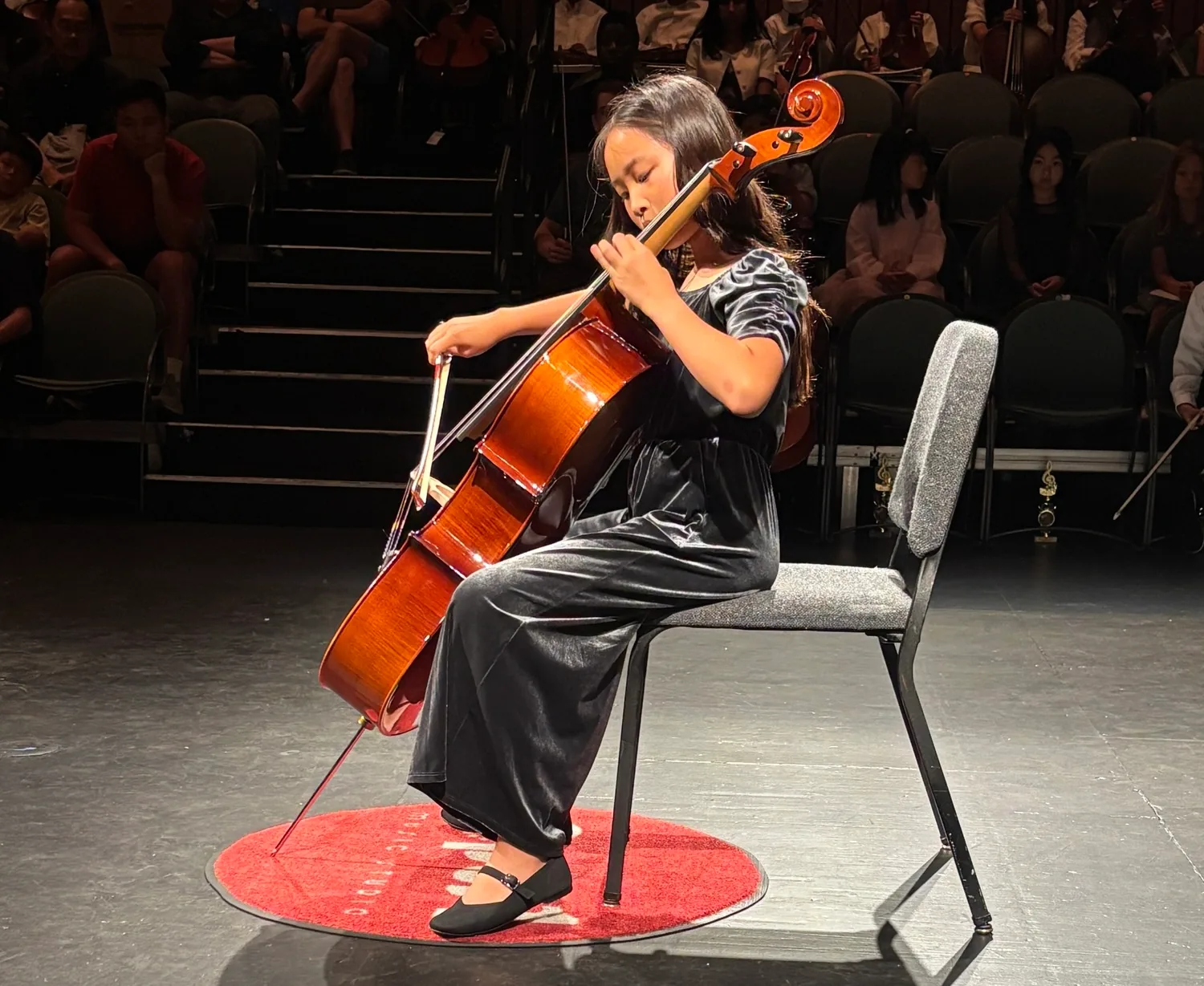
This applies to other instruments as well — violin, guitar, voice, cello, and more. Browse all our private music lessons.
How long should my child practice music?
The most important factor is not how long but how often, regularly, and how well students practice. Building an effective practice routine is one of the most important things a teacher will instill in their students.
- For all ages, the most important habit is to practice every day, even for a short but focused period.
- Young students (ages 5–7): 5–10 minutes daily focus is enough. Quality matters more than length.
- Children (ages 8–10): 15–30 minutes daily focus is a good goal.
- Teenagers: 15–30 minutes daily for a casual learner; serious students should practice at least 30 minutes, up to 1 to 2 hours daily depending on goals (recitals, exams, competitions).
- Adults: 15–30 minutes of focused technique practice as often as possible (daily if you can), plus as much playing for enjoyment as life allows.
What do I need to get started with music lessons?
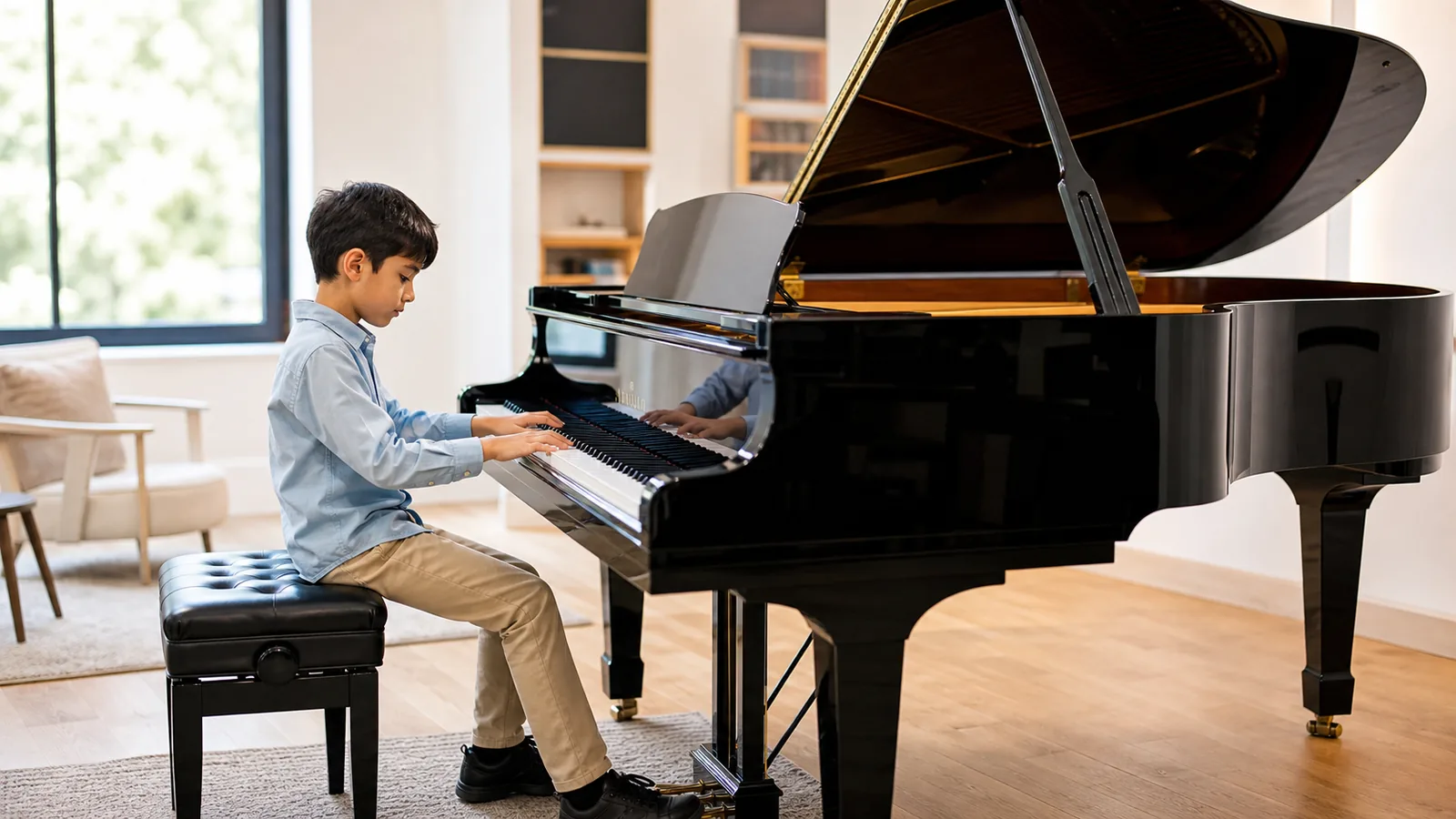
(1) An instrument. Pianos, violins, cellos, and guitars can be rented at local stores, often with a plan that applies your rental payments toward an eventual purchase. Piano students often begin with an electric piano that has a full 88-key keyboard and a damper pedal, then upgrade to an acoustic piano after showing dedication.
(2) Lesson books and sheet music. Your teacher will recommend what to purchase based on the student's age and level.
(3) Accessories. String players need rosin for the bow. Electric guitarists may need an amp. A metronome helps students keep a steady beat — physical metronomes are great, but free apps work too. Your teacher will guide additional supplies.
Can I take online music lessons?
Yes. At Opus 1 Music Studio, students can take their lessons via Zoom or in person at any of our three Palo Alto, Mountain View Grant, or Mountain View Moffett campuses.
Are music lessons worth it?
Absolutely. There is a large body of evidence supporting the benefits of music lessons. Piano lessons, voice lessons, violin lessons, cello lessons, guitar lessons, and group music classes are all worthwhile.
Beyond giving students an outlet for creativity and expression, the mental and behavioral benefits are remarkable. Scientific research has shown that playing a musical instrument ignites more areas of the brain simultaneously than any other activity — including sports (watch this video to learn more). Learning an instrument teaches discipline, emotional expression, and is associated with stronger academic performance.
Music touches everybody one way or another, and the ability to play an instrument is one of life's most precious skills. Whether it's classical, pop, jazz, rock, video game soundtracks, or culturally expressive music — there is a style for everyone.
How much do music lessons cost?
You can find Opus 1 Music Studio pricing on our tuition and fees page. Opus 1 provides top-tier private music lessons and group classes — our teachers come from the most prestigious schools in the world. Lesson costs are competitive for our region. If you're not sure where to start, we offer an affordable trial lesson so you can experience a lesson or group class before enrolling.